About us
The aquaculture industry is constantly evolving, and the units are getting larger and deeper all the time. The temperature increase in the water and the cages heals. Moorings and seabed should be checked and inspected visually and through sediment samples. Together with ROV users we have developed a method where the cages are washed. The new cages are now as large as 120, 160 and 200 meters in diameter, with depths down to 60 meters.
It is not possible to pull these out for cleaning, but they must be cleaned by divers or with net cleaners pulled up and down.
Through our ROV net cleaner project, we have found a solution which can interface ROV to all types of cages. With ROV you can work efficiently 24 hours a day without decompression and break. This is an economical and safe way to clean cages, and we have several users purchasing their second system. This is the future of inspection and maintenance.
Ask us about pressure washing of cages with ROV. We also supply a wide range of camera and underwater equipment.
Offshore
AKVA group Sperre ROV Technology delivers customized ROV-systems for offshore use. The systems are supplied as a complete package of equipment and thorough training of pilots and service personnel. The systems have diagnostic systems where our technicians can log in to the system for support and maintenance.
A delivery system consists of:
- ROV, different models, see ROV comparison chart.
- TMS, Tether Management System.
- LARS, Launch and Recovery System.
- Control container, or integrated control of the boat/platform.
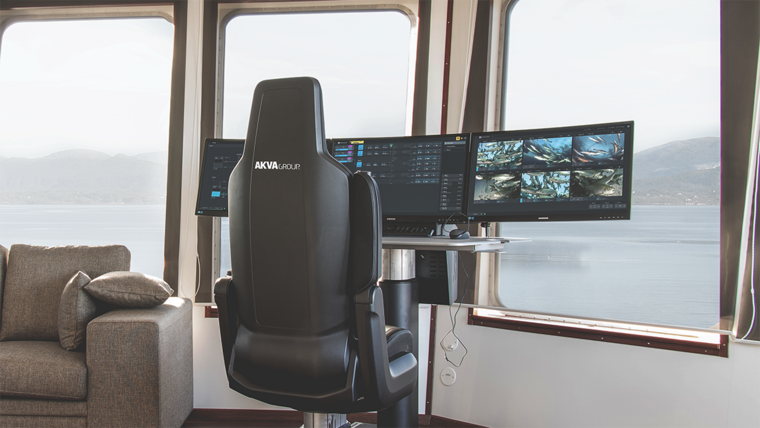
We use the latest technology in management and ergonomic design of control, where the control system is integrated in the pilot seats. The systems are customized according to the specifications of the user, and most ROV types can be supplied with different working depth down to 6 000 meters.
Inshore
There is a lot going on under the water along Norway’s long coast and freshwater inland. There are many systems that require periodic inspection, and new ones are planned and documented.
Environment and aquaculture are the second largest users of ROV equipment, and this area is growing rapidly .
Offshore technology can also be transmitted over the inshore activities, and there is a growing need for investigation of seabed conditions and mapping.
AKVA group Sperre ROV Technology have supplied ROV-systems, underwater lighting and video-systems since 1993.
We have the equipment that fills all your needs.
Archaeology/research
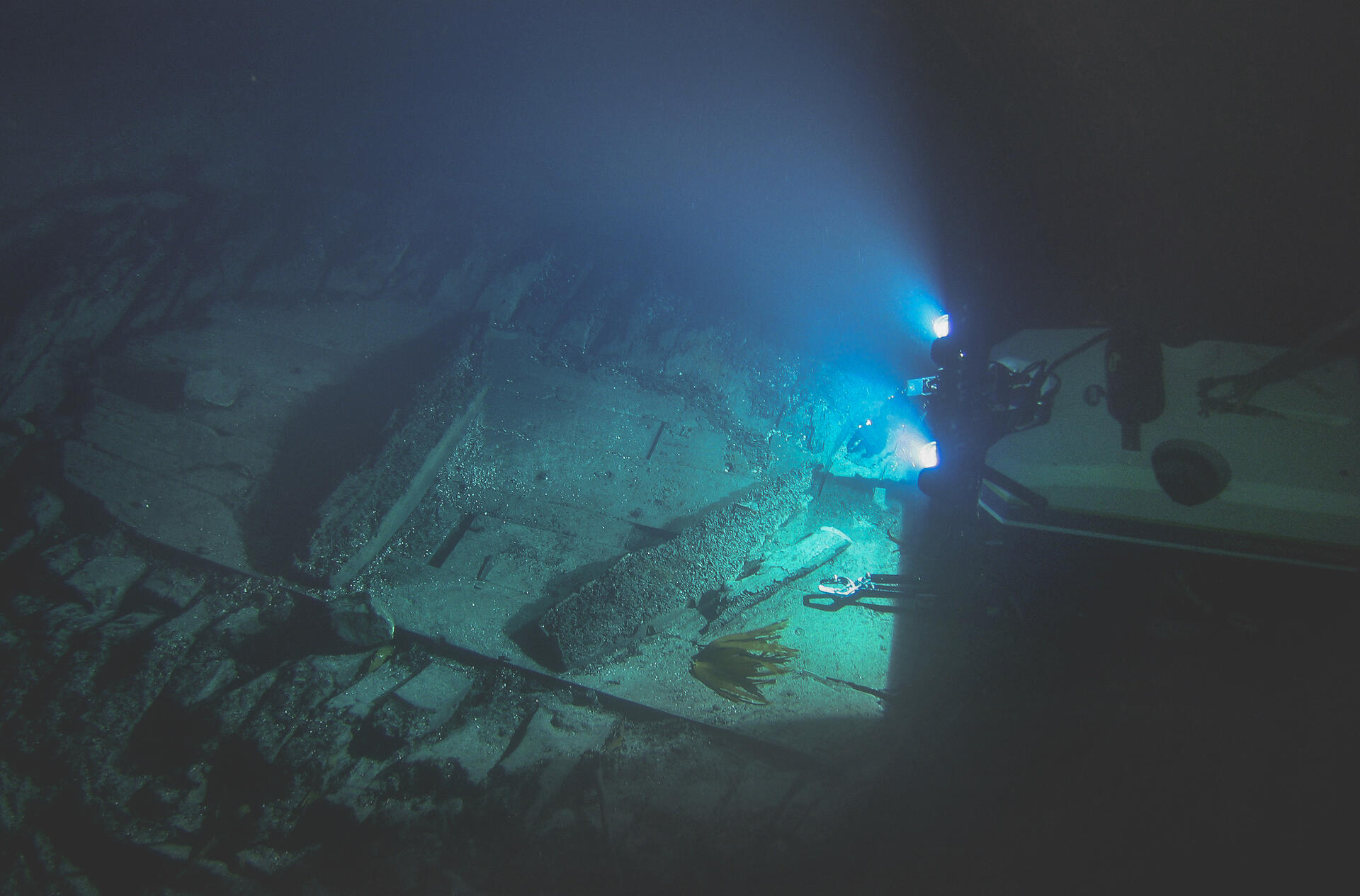
We have conducted surveys of the seabed along the planned pipeline route in terms of mapping archaeological impacts of a project called “Ormen lange”. One discovery of great importance was made, a shipwreck from about 1745. AKVA group Sperre ROV Technology has delivered ROV equipment and operators for excavation of the shipwreck.
The gigantic Ormen Lange project has started. Gas from this field can heat 10 million Britons tea every morning. Ormen Lange could cover 20 percent of Britain’s gas needs for up to 40 years. Sperre AS has conducted extensive archaeological excavations in connection with the project. This is the first time it is conducted archaeological excavations in such deep water with this method.
Address:
Merdeveien 1, N-3676 Notodden,, Norway
T: +47 35 02 50 00
E: post.sperre@akvagroup.com
MAP